1. Snorkel the Great Astrolabe Reef
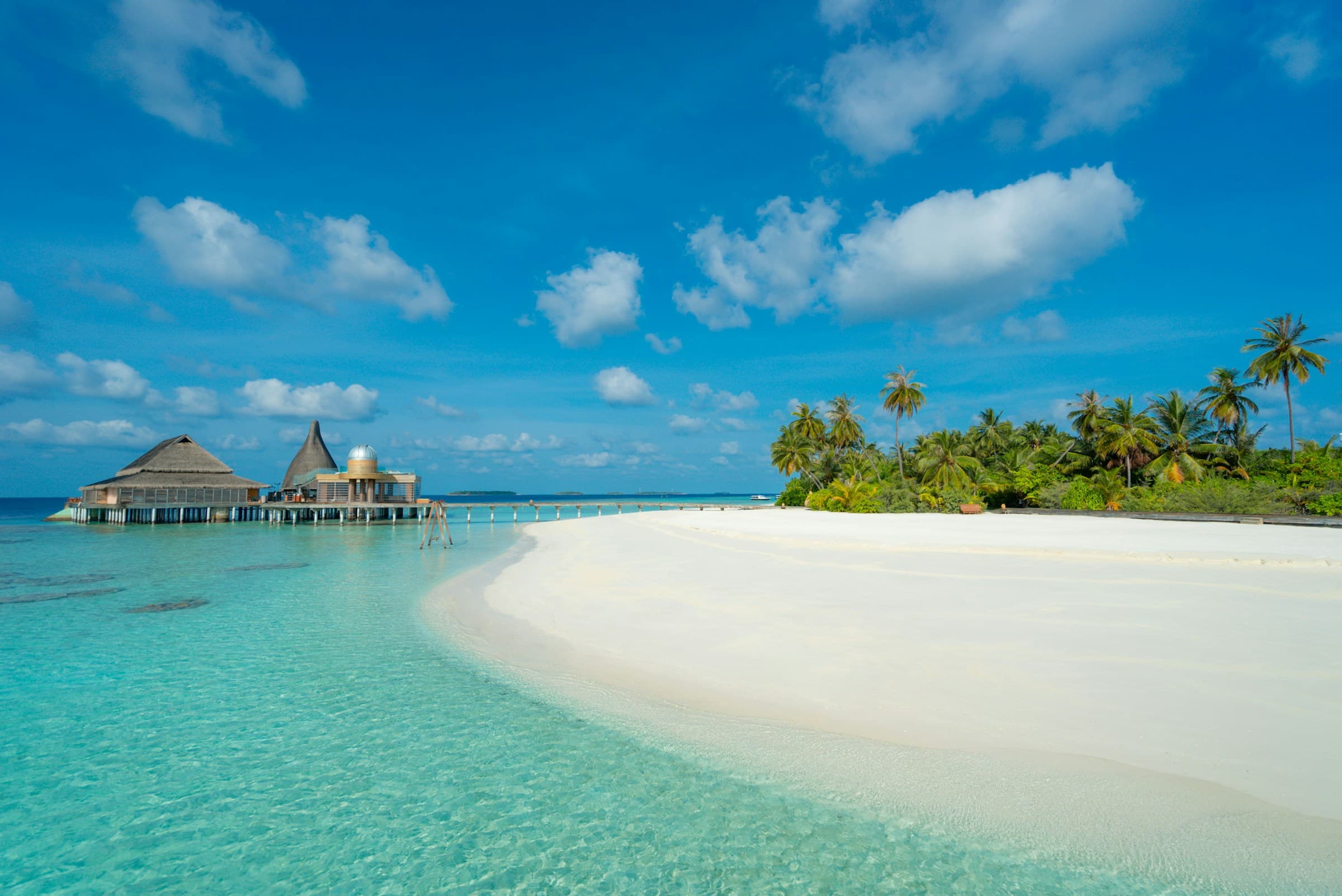
Fiji is nicknamed the "Soft Coral Capital of the World," and the Great Astrolabe Reef — one of the largest barrier reefs on the planet — is where that reputation comes alive. Stretching around Kadavu Island, this reef system teems with over 100 species of coral and hundreds of tropical fish species.
Unlike some reef destinations where you need to take a long boat ride to reach anything worthwhile, many Fiji resorts offer house reefs you can wade into directly from shore. But the best snorkeling requires a short boat trip to the outer reef walls where visibility regularly exceeds 30 meters.
What it costs: Guided snorkeling day trips from Denarau start around $138–$180 per person, typically including equipment, lunch, and island stops. Resort-organized reef trips run $50–$90. If you're already at a Yasawa or Mamanuca island resort, snorkeling gear is often complimentary.
2. Scuba Dive With Sharks in Beqa Lagoon
Beqa (pronounced "Benga") Lagoon, off the coast of Pacific Harbour, is home to Fiji's legendary shark dive — one of the most thrilling wildlife encounters you can have anywhere in the world. On a typical dive, you'll see bull sharks, tiger sharks, nurse sharks, and reef sharks in crystal-clear water, all without a cage.
Pacific Harbour brands itself as Fiji's "Adventure Capital," and the shark dive is the crown jewel. Operators maintain strict safety protocols and have been running these dives for over two decades with an excellent safety record. You'll need an Open Water certification at minimum.
What it costs: A two-tank shark dive runs approximately $280–$350 FJD (roughly $125–$160 USD). Multi-dive packages bring the per-dive cost down. For non-divers, shark snorkeling tours near Kuata Island cost around $177 USD and are equally impressive.
3. Island-Hop the Yasawa Chain
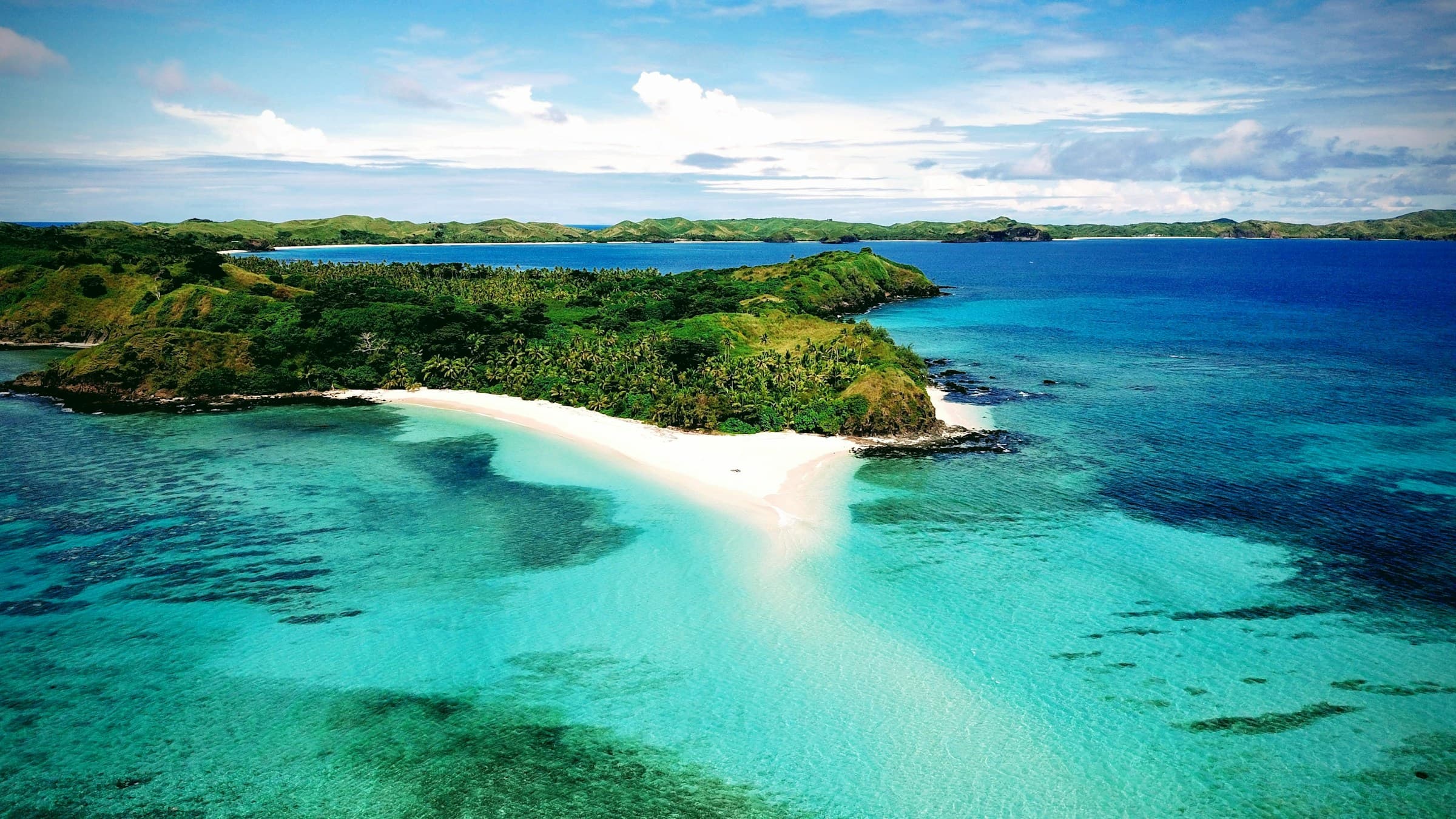
The Yasawa Islands are Fiji's most dramatic landscapes — volcanic peaks rising from impossibly blue water, limestone caves you can swim through, and beaches so empty they feel like a private world. The Yasawa Flyer catamaran connects the chain daily from Port Denarau, making multi-island itineraries surprisingly easy.
Most travelers spend two to five nights island-hopping, staying at a mix of budget backpacker resorts and mid-range beachfront properties. The Blue Lagoon — yes, the one from the movie — is here, and the Sawa-i-Lau limestone caves are a highlight that shouldn't be missed.
What it costs: The Yasawa Flyer day pass costs about $250 FJD ($115 USD) round-trip to the northern Yasawas. Island accommodations range from $40/night at backpacker bures to $300+/night at upscale resorts. Budget three to five days to do the Yasawas justice.
4. Attend a Traditional Kava Ceremony
Kava is far more than a drink in Fiji — it's a living tradition that binds communities together. Made from the powdered root of the yaqona plant, kava produces a mildly relaxing, slightly numbing effect. But the real magic is in the ceremony itself: sitting cross-legged in a village meeting house, clapping three times before and after drinking from a coconut shell, and being welcomed as an honored guest.
Many resorts offer kava nights, but the most authentic experience comes from visiting an actual Fijian village. Some tour operators arrange village visits where proceeds go directly to the community — always choose these over generic resort versions if you can.
What it costs: Village visits with kava ceremony typically run $60–$120 per person as part of a guided tour. Many resorts include kava ceremonies as a complimentary evening activity.
5. Chase Waterfalls in the Highlands
Fiji's interior is a lush, mountainous world that most beach-focused tourists never see. The highlands of Viti Levu are ribboned with rivers and waterfalls, and trekking to them reveals a completely different side of the country. Biausevu Waterfall on the Coral Coast is one of the most accessible — a 20-minute guided hike through jungle leads to a stunning cascade with a natural swimming pool at its base.
For something more remote, the Tavoro Waterfalls in Taveuni's Bouma National Heritage Park offer three tiers of falls, each more spectacular than the last. The first is an easy 10-minute walk; the upper falls require a more challenging trek but reward you with solitude and pristine pools.
What it costs: Biausevu Waterfall entry is approximately $25 FJD ($12 USD) per person, which goes directly to the local village. Bouma National Heritage Park entry is $30 FJD ($14 USD). Guided waterfall tours from Nadi or the Coral Coast range from $80–$150 USD.
6. Take a Helicopter Flight Over the Islands
Nothing prepares you for how Fiji looks from above. The transition from deep ocean blue to shallow lagoon turquoise, the geometric patterns of coral reefs, and the impossibly green volcanic islands scattered across the Pacific — a helicopter scenic flight turns all of this into a personal IMAX experience.
Island Hoppers and Heli-Tours Fiji operate scenic flights from Nadi, with routes covering the Mamanuca Islands, the Coral Coast, and the Yasawa chain. Transfers to outer-island resorts by helicopter are another option that doubles as a scenic flight.
What it costs: Scenic helicopter flights range from $350–$700 USD per person depending on duration (15–45 minutes). Some luxury resort transfers include a scenic routing at similar prices. It's a splurge, but the views are unlike anything else in the South Pacific.
7. Feast on a Traditional Lovo Underground Oven Meal
A lovo is Fiji's answer to a Hawaiian luau or a Maori hangi — food slow-cooked in an earth oven lined with hot volcanic stones. Whole chickens, fish wrapped in banana leaves, root vegetables like cassava and taro, and palusami (taro leaves cooked in coconut cream) steam underground for hours until they emerge incredibly tender and smoky.
Most resorts host lovo nights at least once a week, usually paired with traditional meke dancing and music. The best ones let you watch (or help with) the preparation process, which is half the experience.
What it costs: Resort lovo nights are typically included for guests or run $50–$80 FJD ($23–$37 USD) for non-guests. Village-based lovo experiences through tour operators cost $100–$150 USD and include transport, cultural activities, and the feast itself.
8. Visit the Garden of the Sleeping Giant
Tucked at the base of the Nausori Highlands, the Garden of the Sleeping Giant houses one of the largest orchid collections in the South Pacific — over 2,000 varieties spread across beautifully maintained grounds. Originally the private collection of actor Raymond Burr (of Perry Mason fame), the garden is now open to the public and makes for a peaceful half-day excursion.
Beyond the orchids, the garden features lily ponds, native forest trails, and a covered pavilion where you'll often be offered fresh tropical juice. It's a welcome change of pace from beach activities and particularly pleasant in the morning before the midday heat.
What it costs: Entry is approximately $36 FJD ($17 USD) for adults. Guided tours from Nadi that combine the garden with the Sabeto Hot Springs and mud pools run about $60–$90 USD.
9. Go Zip-Lining Through the Rainforest Canopy
The Sleeping Giant Zipline is Fiji's premier canopy adventure — a series of lines that send you soaring over the rainforest canopy with panoramic views of the Sabeto Valley and the Nausori Highlands. It's a thrilling way to experience Fiji's interior landscape from a perspective that hikers and drivers simply can't access.
The course includes multiple lines of varying lengths, suspension bridges, and platform stops where guides share information about the local ecosystem. It's suitable for most fitness levels and ages (typically 5+).
What it costs: The full zipline experience costs approximately $199 FJD ($92 USD) for adults. Combo packages with the nearby hot springs and mud pools run $130–$160 USD.
10. Soak in the Sabeto Hot Springs & Mud Pools
The Sabeto Hot Springs sit in a volcanic valley about 20 minutes from Nadi, where naturally heated mineral water and therapeutic mud create a spa experience powered entirely by geology. The routine is simple: coat yourself in warm volcanic mud, let it dry in the sun, rinse off in the hot springs, and repeat.
This is one of the most popular half-day activities for visitors staying in the Nadi or Denarau area, and it pairs perfectly with the Garden of the Sleeping Giant and the zipline — all three are in the same valley.
What it costs: Entry to the mud pools and hot springs is about $25–$35 FJD ($12–$16 USD). Most visitors come as part of a combo tour from Denarau ($60–$90 USD) that includes multiple stops.
11. Explore Cloud 9 — The Floating Bar
Cloud 9 is a two-level floating platform anchored in the middle of the Mamanuca Islands, complete with a bar serving Italian wood-fired pizzas and cocktails. You can swim, paddleboard, or just lounge on the deck surrounded by open ocean in every direction.
The vibe is relaxed and social — it's popular with day-trippers from Denarau and guests from nearby island resorts. Music plays throughout the day, and the sunsets are extraordinary.
What it costs: Boat transfers from Port Denarau start around $100–$130 FJD ($46–$60 USD) round-trip. Food and drinks are a la carte. Budget $150–$200 USD total for a full day including transport, food, and drinks.
12. Visit Malamala Beach Club on a Private Island
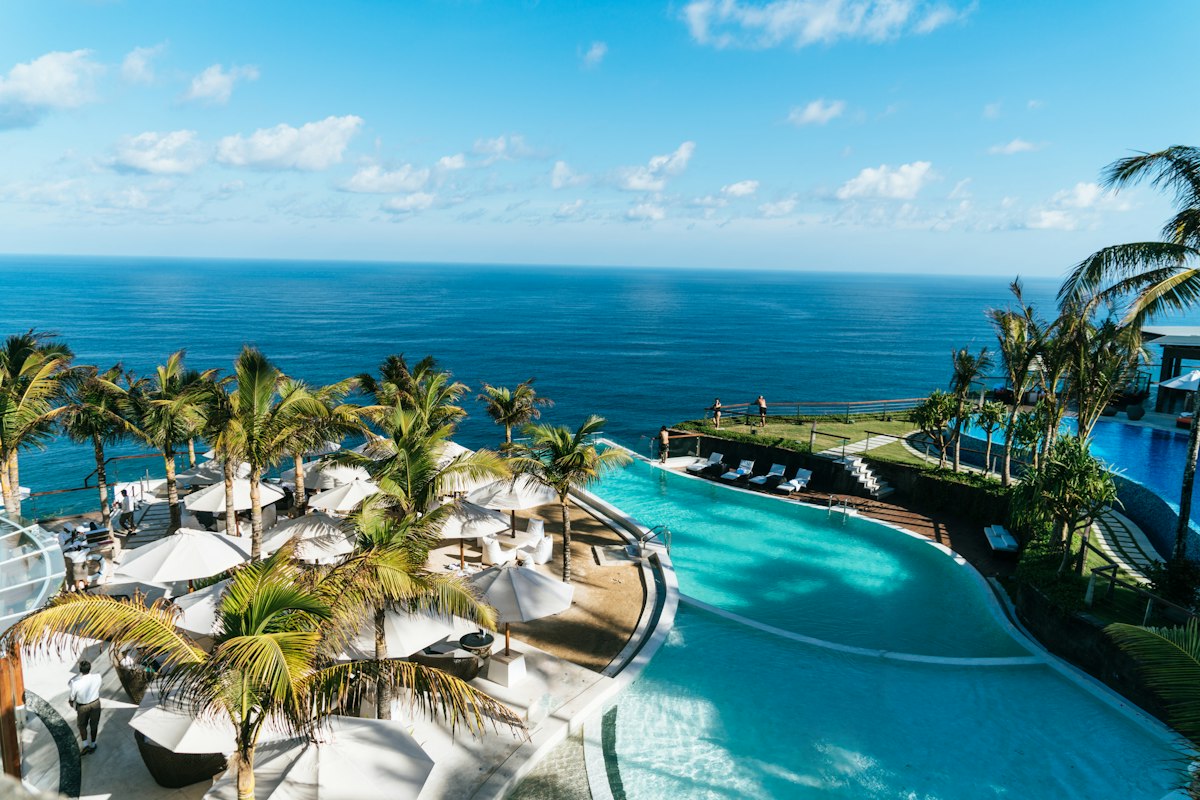
Malamala Beach Club occupies its own tiny island just 25 minutes by boat from Port Denarau, making it the world's first island beach club. It's a polished, modern space with an infinity pool, day beds, a full-service restaurant, and some of the best snorkeling in the Mamanuca Islands right off the beach.
Day passes include the boat transfer, pool and beach access, and use of non-motorized water sports equipment.
What it costs: Day passes start around $189 FJD ($87 USD) for adults, including round-trip boat transfer and facilities access. Food and drinks are additional. VIP cabana packages run $400+ FJD for groups.
How to Book Your Fiji Trip With Points
Fiji has solid options for points-based hotel stays, making it possible to offset a big chunk of your trip cost:
Fiji Marriott Resort Momi Bay
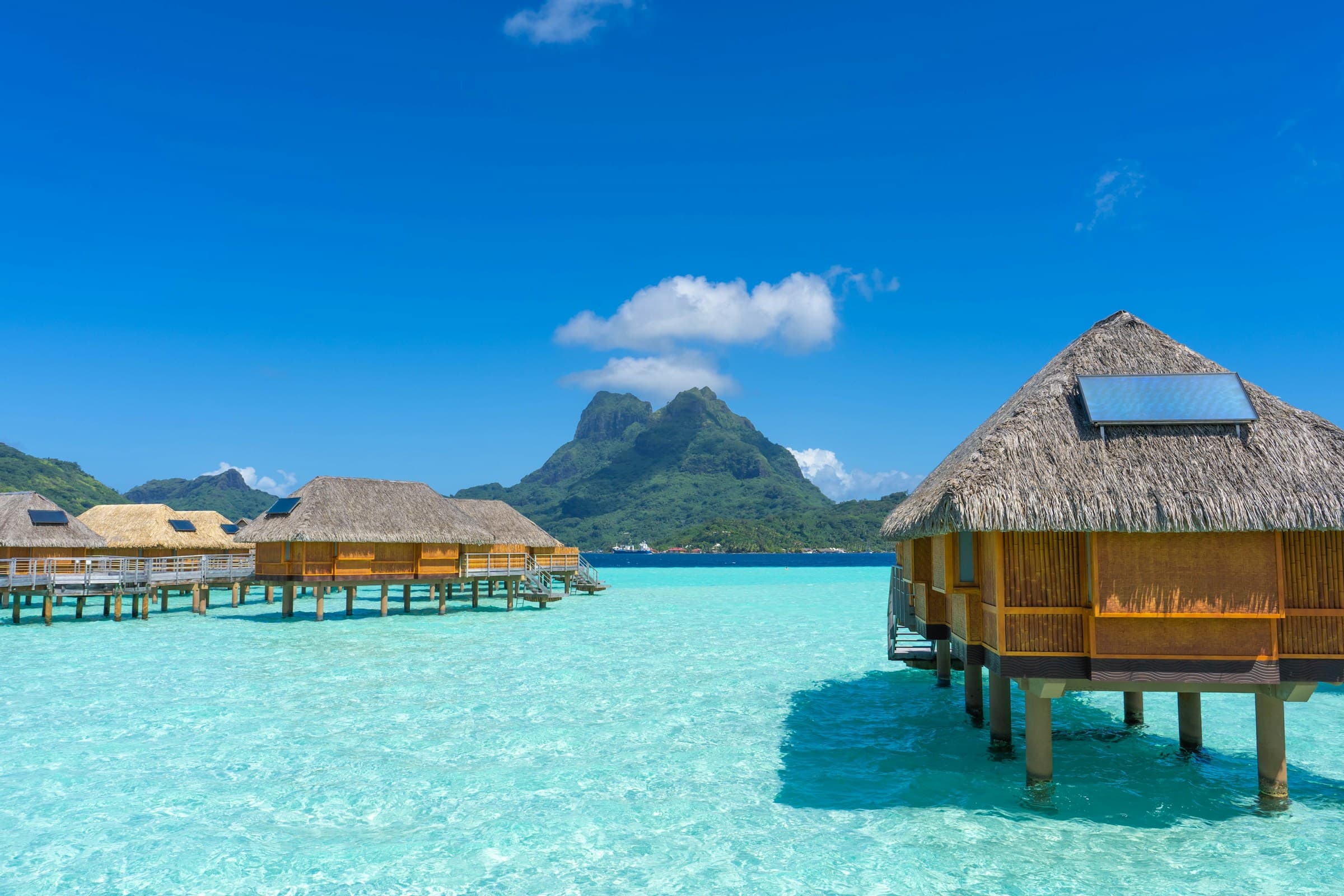
This Category 5 Marriott property features overwater bures — one of the few overwater villa options outside of French Polynesia and the Maldives. Award rates run 30,000–40,000 Marriott Bonvoy points per night depending on season. With the 5th night free benefit, a five-night stay costs as few as 120,000 points — a strong value when cash rates often exceed $350/night.Transfer path: Chase UR → Marriott at 1:1, or Amex MR → Marriott at 1:1. At 120,000 points for 5 nights vs. $1,750+ in cash, you're looking at roughly 1.5 CPP — solid for Marriott.
Hilton Fiji Beach Resort & Spa
Located on Denarau Island, the Hilton Fiji is well-positioned for day trips to the Mamanucas and Yasawas. With Hilton's dynamic pricing, expect 60,000–90,000 Hilton Honors points per night for standard rooms. Hilton's 5th night free on award stays makes a five-night booking the sweet spot.Transfer path: Amex MR → Hilton at 1:2 ratio. A five-night stay at 80,000 points/night = 320,000 points (4 nights paid). That's 160,000 Amex MR transferred — reasonable given cash rates of $250–$400/night.
InterContinental Fiji Golf Resort & Spa
The IHG property in Natadola Bay has been generating buzz for value bookings. Recent reports show award availability around 28,000–40,000 IHG points per night. With IHG points currently on sale at 0.5¢ each through March 17, buying points for a Fiji stay could yield excellent value.Getting There With Miles
Fiji Airways partners with Alaska Mileage Plan, Qantas Frequent Flyer, and American AAdvantage. From the US West Coast:- 40,000–55,000 Alaska miles one-way in economy (LAX–NAN direct)
- 55,000–80,000 Alaska miles one-way in business class
- Qantas points via Amex or Chase can also route through Australia
Practical Tips for Your Fiji Trip
Best time to visit: May through October is dry season, with comfortable temperatures in the mid-70s°F. November through April is wetter and warmer but also means lower prices and fewer crowds.
Getting around: The Yasawa Flyer catamaran and small domestic flights (Fiji Airways domestic) connect the islands. On Viti Levu, taxis and rental cars work well. For outer islands, your resort will arrange boat transfers.
Currency: Fijian Dollar (FJD). As of early 2026, $1 USD ≈ $2.16 FJD. Most tourist areas accept credit cards, but carry cash for village visits, local markets, and small operators.
Bula spirit: Fijians are consistently ranked among the friendliest people on earth. Learn to say "Bula!" (hello) and "Vinaka!" (thank you) — it goes a long way.
Bottom Line
Fiji delivers far more than postcard beaches — though you'll get plenty of those too. From shark diving in Beqa Lagoon to sipping kava in a remote village, the range of experiences here rivals destinations with ten times the tourist infrastructure.
The points angle is strong: a five-night stay at the Fiji Marriott for 120,000 Bonvoy points gets you overwater bures, and Alaska miles can get you there for 40,000–55,000 miles one-way. Combined with activities that range from free (beach snorkeling, sunset watching) to moderate ($90–$180 for guided tours), you can build an incredible Fiji itinerary without breaking the bank — or your points stash.
Start with the reef, stay for the culture, and don't skip the kava.
Share this article
Travel.free Team
The Travel.free editorial team covers points strategy, destination guides, and deal alerts to help you travel better for less.
Stay in the Loop
Get the best travel points deals, island guides, and credit card strategies delivered weekly.
No spam, ever. Unsubscribe with one click.